Best Year for a Used Ford F-150 to Buy
The 2018 to 2020 model years are the value pick. They are late thirteenth-generation trucks, so the aluminum body has a decade of road record behind it, the 10-speed automatic is standard across the range, and they price well under the 2021 redesign.
Start Here
F-150 year guide at a glance
Three generations of F-150 trade actively on the used market right now, and a 2016 and a 2022 are genuinely different trucks with different ownership stories. Here is where each range sits for a buyer in Clarksville or Fort Campbell.
| Years | Generation | Where it sits | Best for | What to check |
|---|---|---|---|---|
| 2018 to 2020 | 13th, after the mid-cycle refresh | Best buy | Work, towing and family hauling on one budget | Tow history, transmission service records, bed floor under the liner |
| 2021 to 2023 | 14th, the redesign | Newest package | Buyers who want the current interior, or the PowerBoost hybrid and its onboard generator | A real price premium, and a shorter public track record |
| 2015 to 2017 | 13th, the first aluminum years | Value end | Budget buyers who will inspect properly and negotiate on findings | Body panel repair quality, open recalls by VIN, service history |
| 2011 to 2014 | 12th, steel body | Older, cheaper | Buyers comfortable running an older truck and maintaining it | Frame and rocker rust, documented service history, engine choice matters most here |
The Recommendation
Why 2018 to 2020 is the sweet spot
Ford refreshed the F-150 for 2018, and it was a bigger update than the styling suggested. The 10-speed automatic went across the range, the 5.0L V8 was revised, the 2.7L EcoBoost was updated, and a 3.0L Power Stroke diesel joined the lineup for the first time.
Those trucks then ran three model years with only minor changes, which is exactly the pattern a used buyer wants. Any early production quirks are behind you, the parts network is enormous, and there are more of them on the road than any other range of F-150, so pricing is competitive rather than scarce.
They also sit on the right side of the depreciation curve. The 2021 redesign is a nicer place to spend a commute, and you pay for that. On a truck you intend to keep for years, the money is better spent on a well-documented 2019 with the right engine than on a newer one with a thinner history.
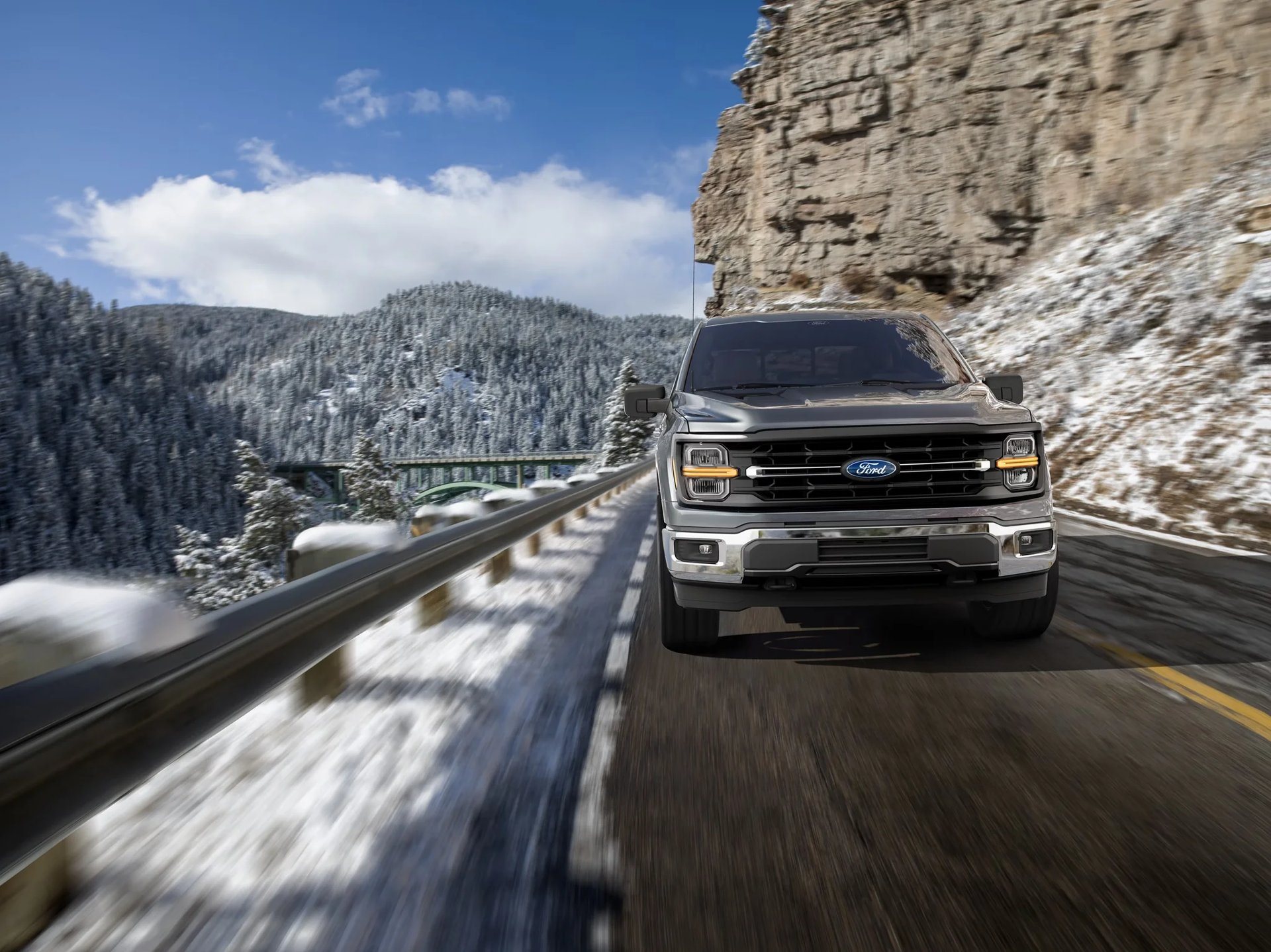
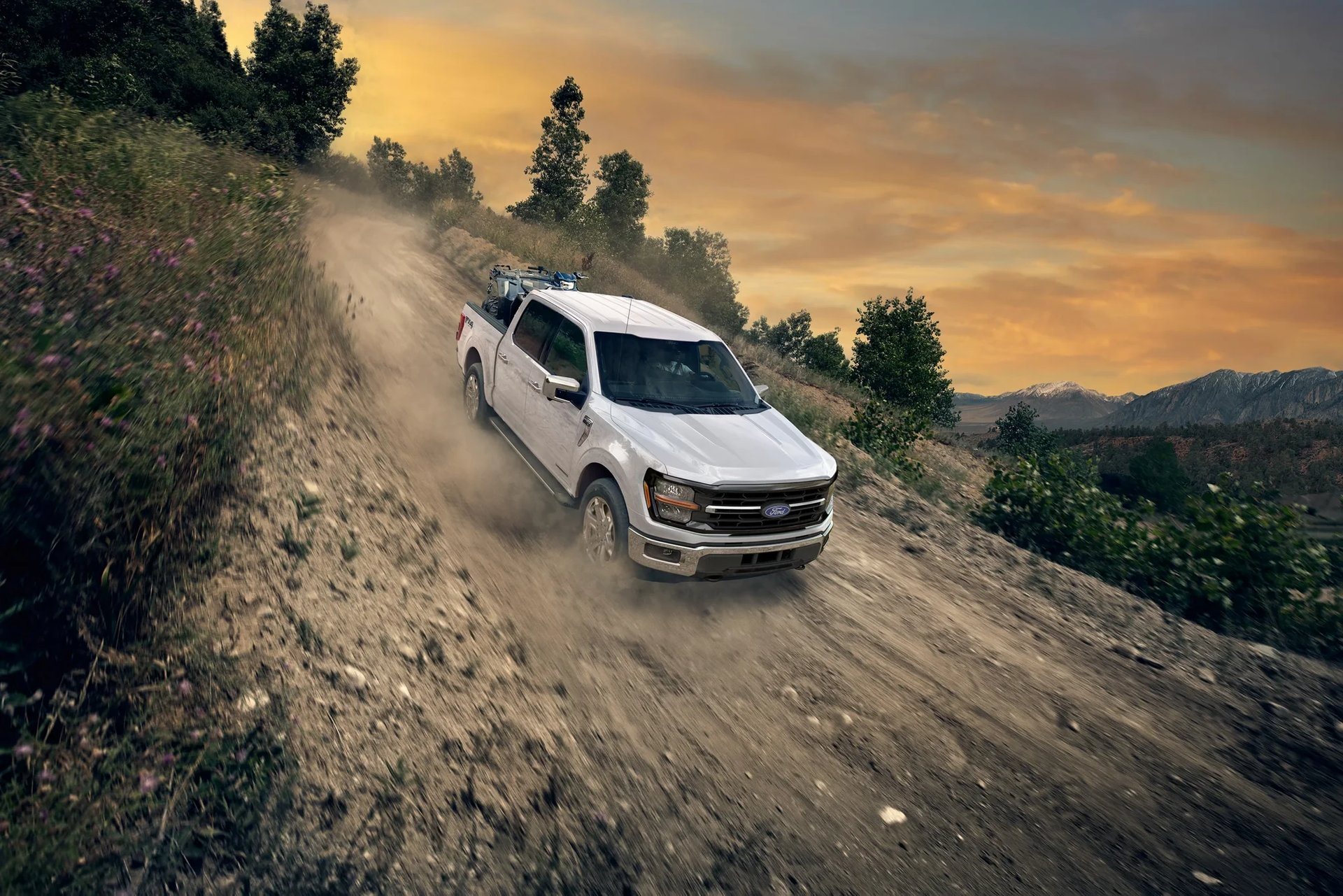
Pictured is a current-model-year F-150 for illustration. Used inventory varies by year, cab, bed and engine, so check the listing for the exact truck.
The Other Two Answers
If you want newer, and if you want better value
The 2018 to 2020 range is the recommendation, not the only right answer. Two other groups are worth a serious look depending on what you are optimising for.
2021 to 2023, the fourteenth generation
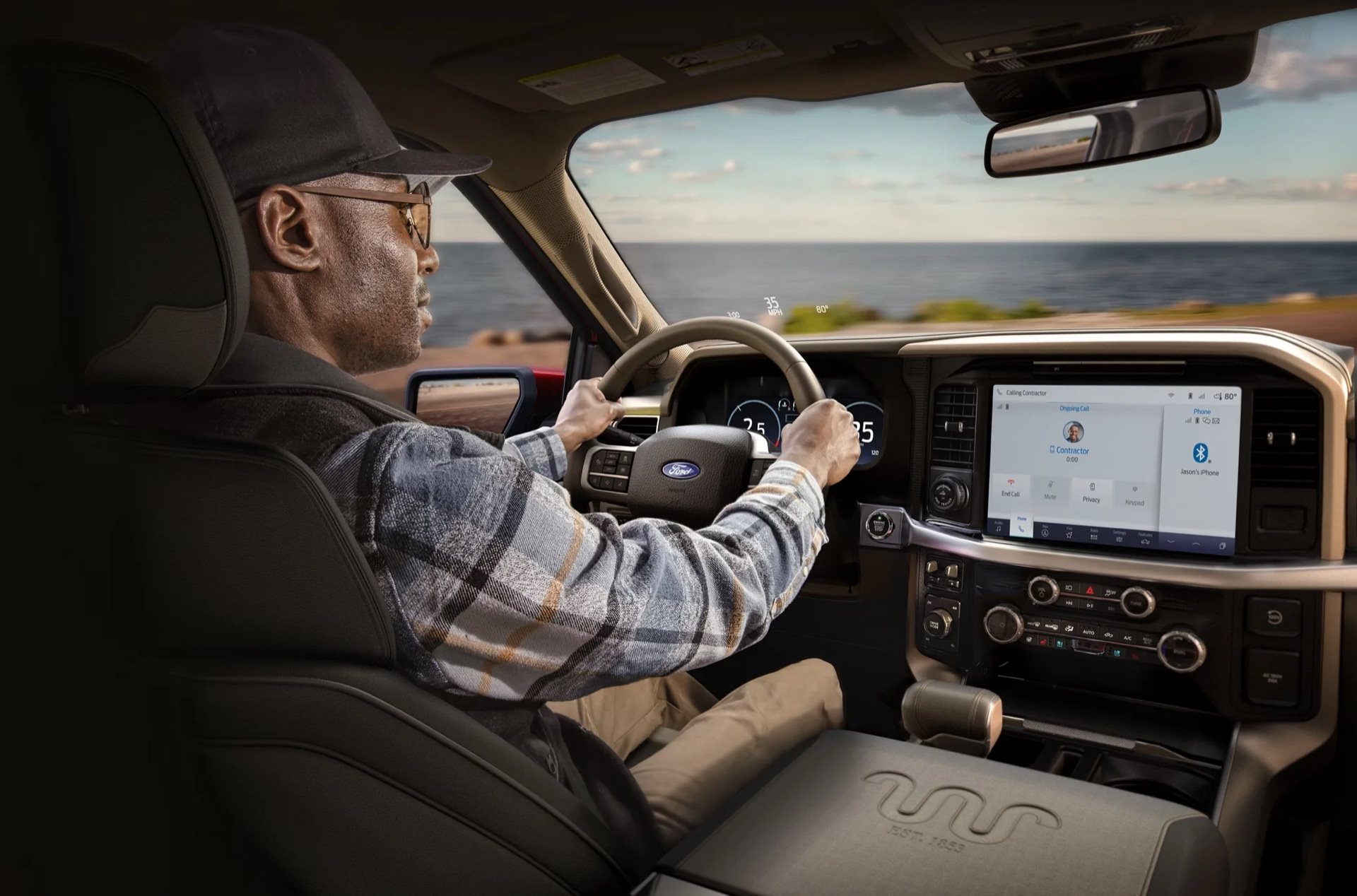
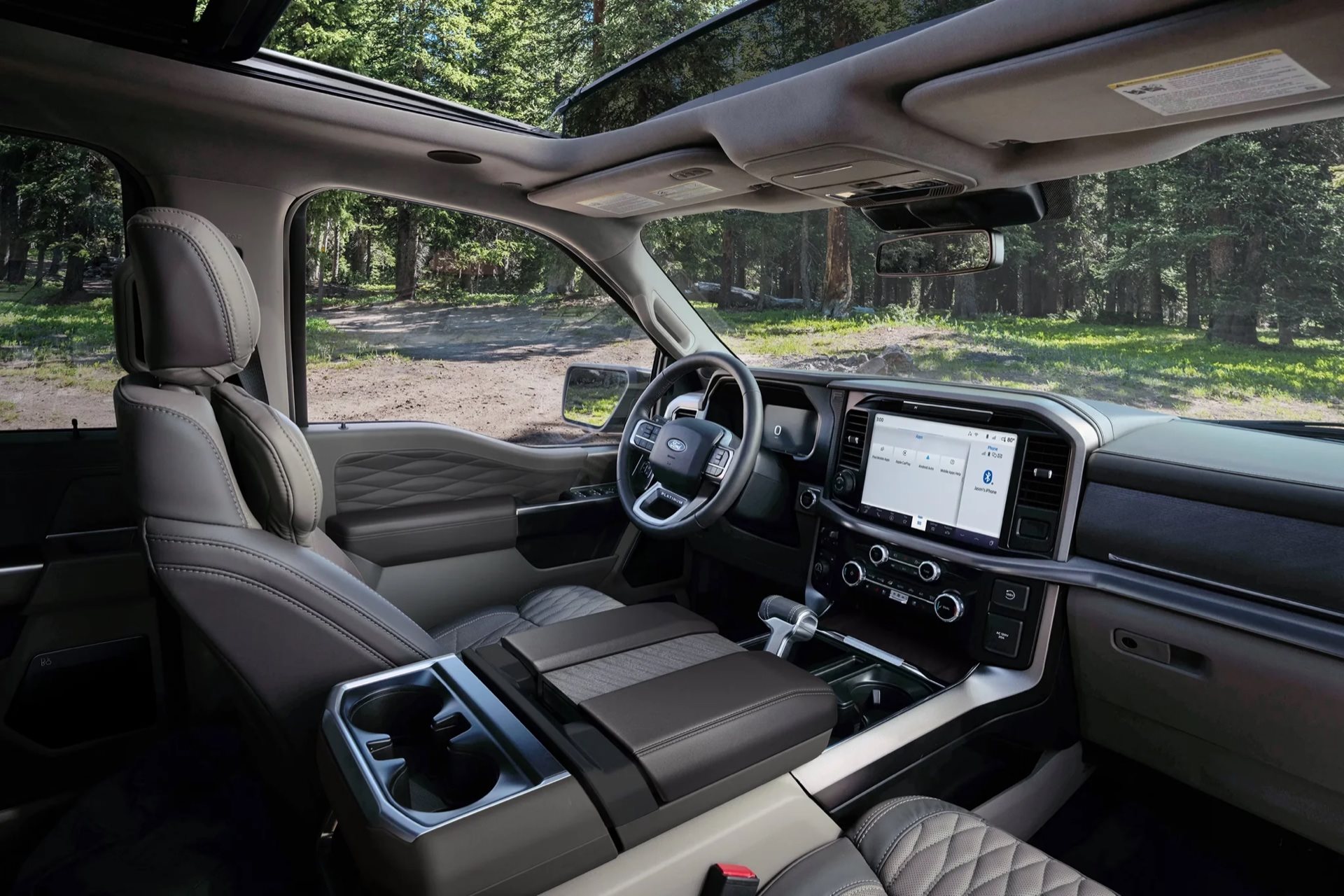
This is the redesign. The cabin is a different class of place to sit, with Max Recline front seats and an interior work surface that folds out of the console. The headline addition is the 3.5L PowerBoost full hybrid with Pro Power Onboard, a generator built into the truck that will run tools on a job site or a refrigerator through an outage. That last part is worth real money to some buyers around here and nothing at all to others.
You pay a meaningful premium over a late thirteenth-generation truck for it. If the generator or the interior is what you want, buy it and enjoy it. If it is not, the older truck does the same work.
2015 to 2017, the first aluminum years
These are frequently the best value on any used lot, and they are the same fundamental truck as the 2018s. Ford moved the F-150 to an aluminum-alloy body in 2015 and it has stayed the best-selling vehicle in the country every year since, which is about as clear a verdict on the decision as a market can give.
Because they were the first run of a new body construction, these deserve a careful walkaround rather than a quick one. Check the VIN against open recalls on the free NHTSA recall lookup, and look closely at the body panels for previous repair work, since aluminum panel work belongs at a certified shop. Do both of those and a good 2016 is a lot of truck for the money.
Back to topPowertrain
Which used F-150 engine to look for
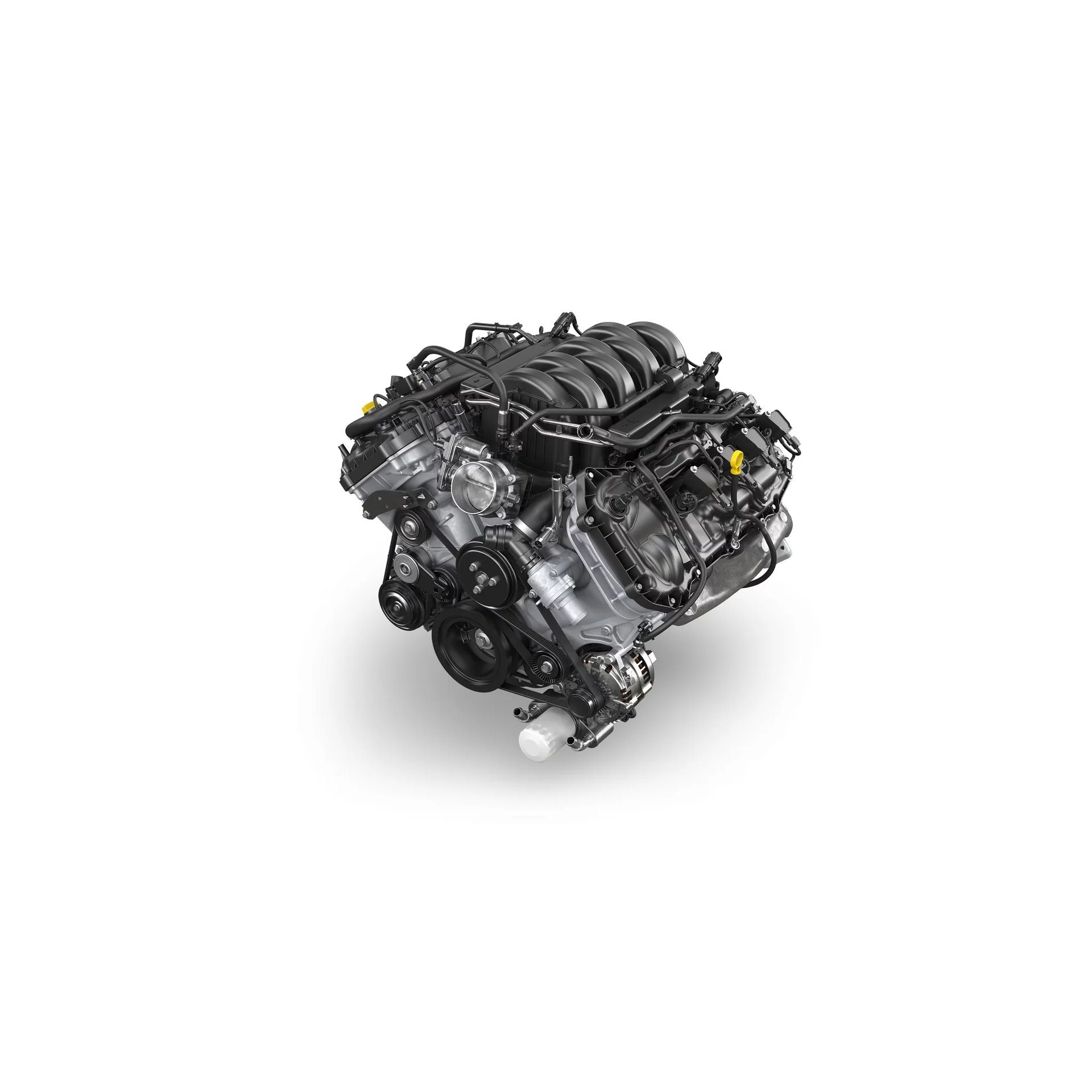
Engine choice matters at least as much as model year on this truck, and it changes what ownership costs you. Here is the honest read on the four you will meet most often.
 Simplest to own
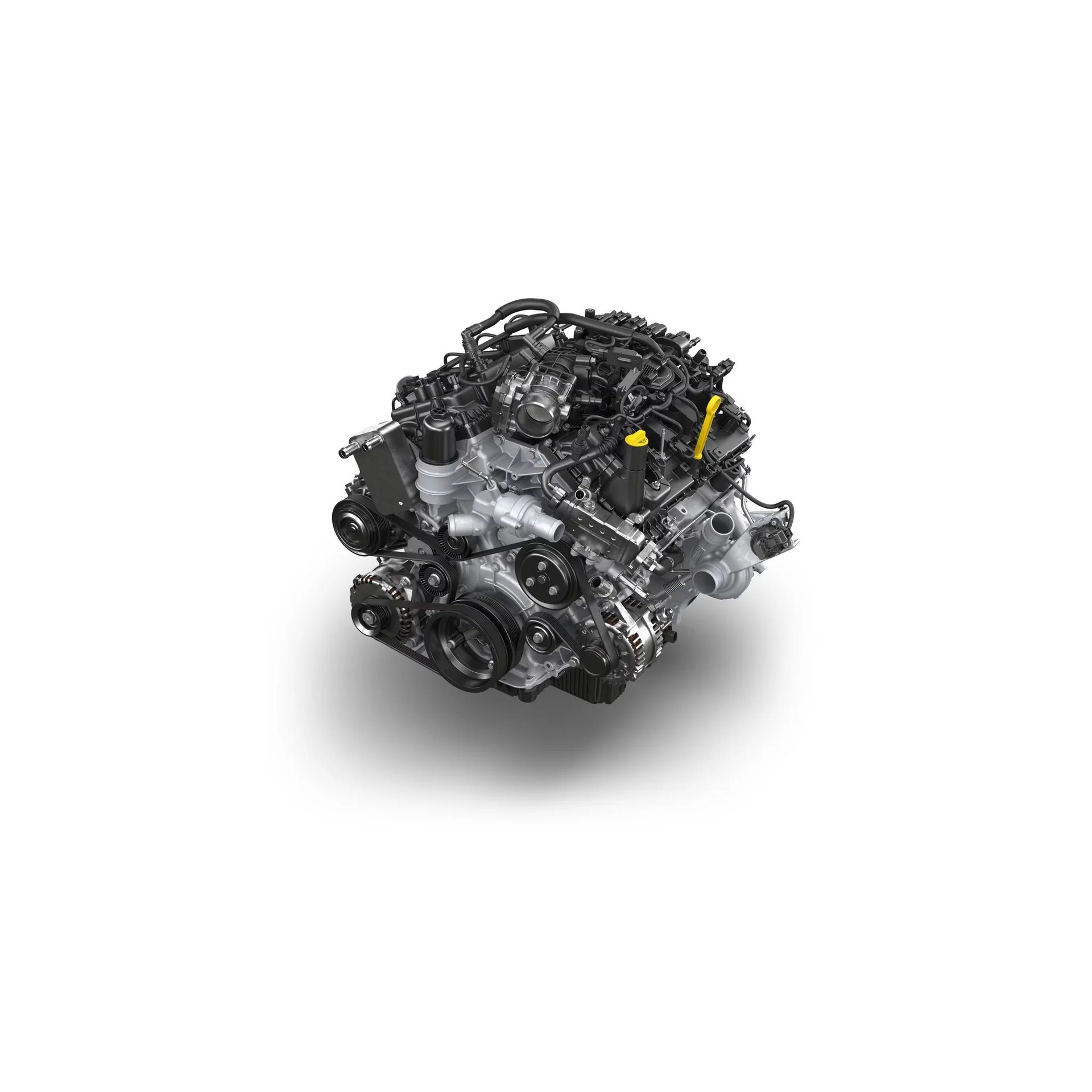
5.0L Ti-VCT V8
Naturally aspirated, no turbochargers, no intercoolers, nothing extra in the way. Every independent shop in Montgomery County knows it, parts are everywhere, and plenty have gone well past 200,000 miles. If you want a truck you can hand to any mechanic, this is it.
 Best around town
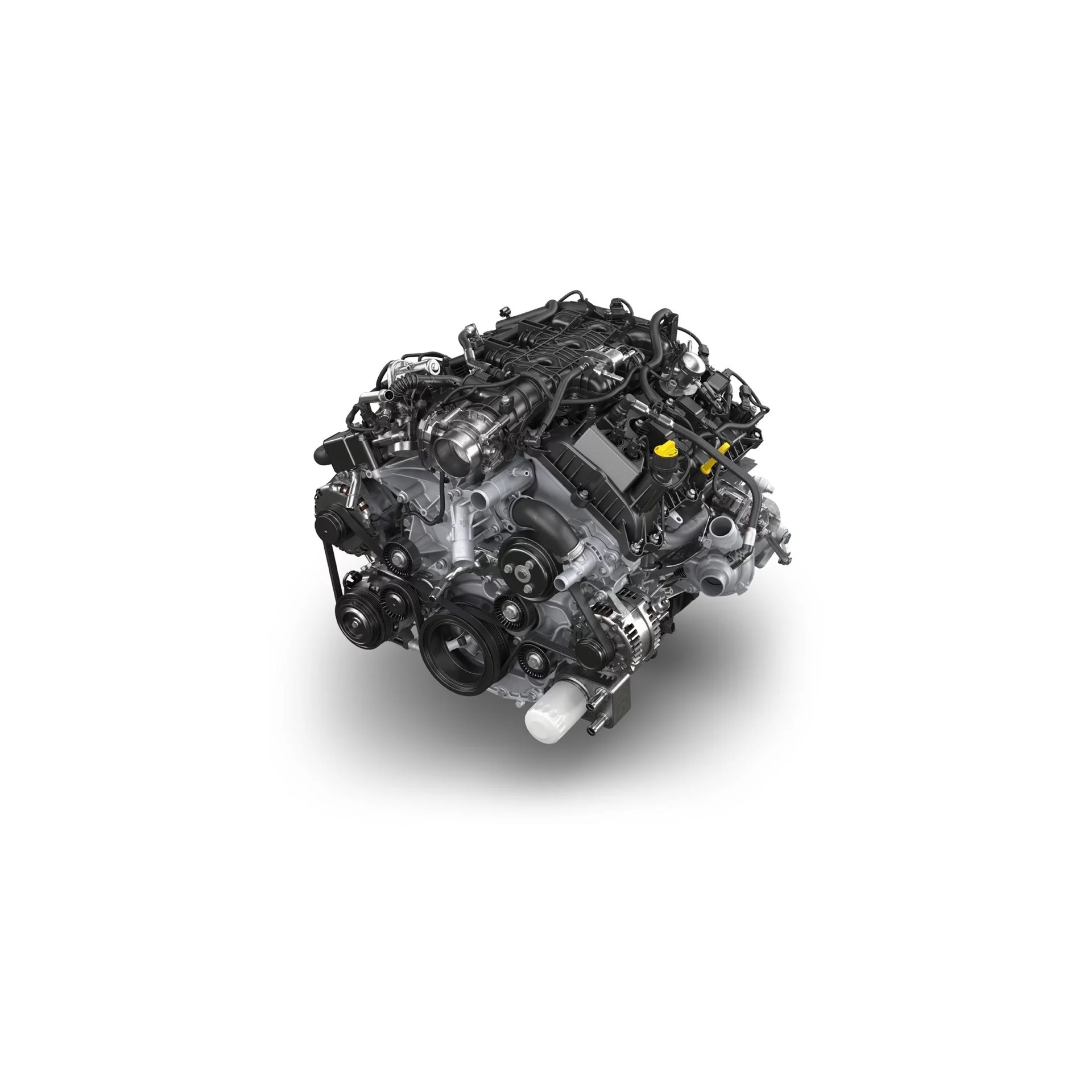
2.7L EcoBoost V6
Strong low-end torque and noticeably better city mileage than the V8, which adds up if your week is a Fort Campbell gate run rather than a job site. On any example, ask for spark plug and intercooler service records before you commit.
 Most towing
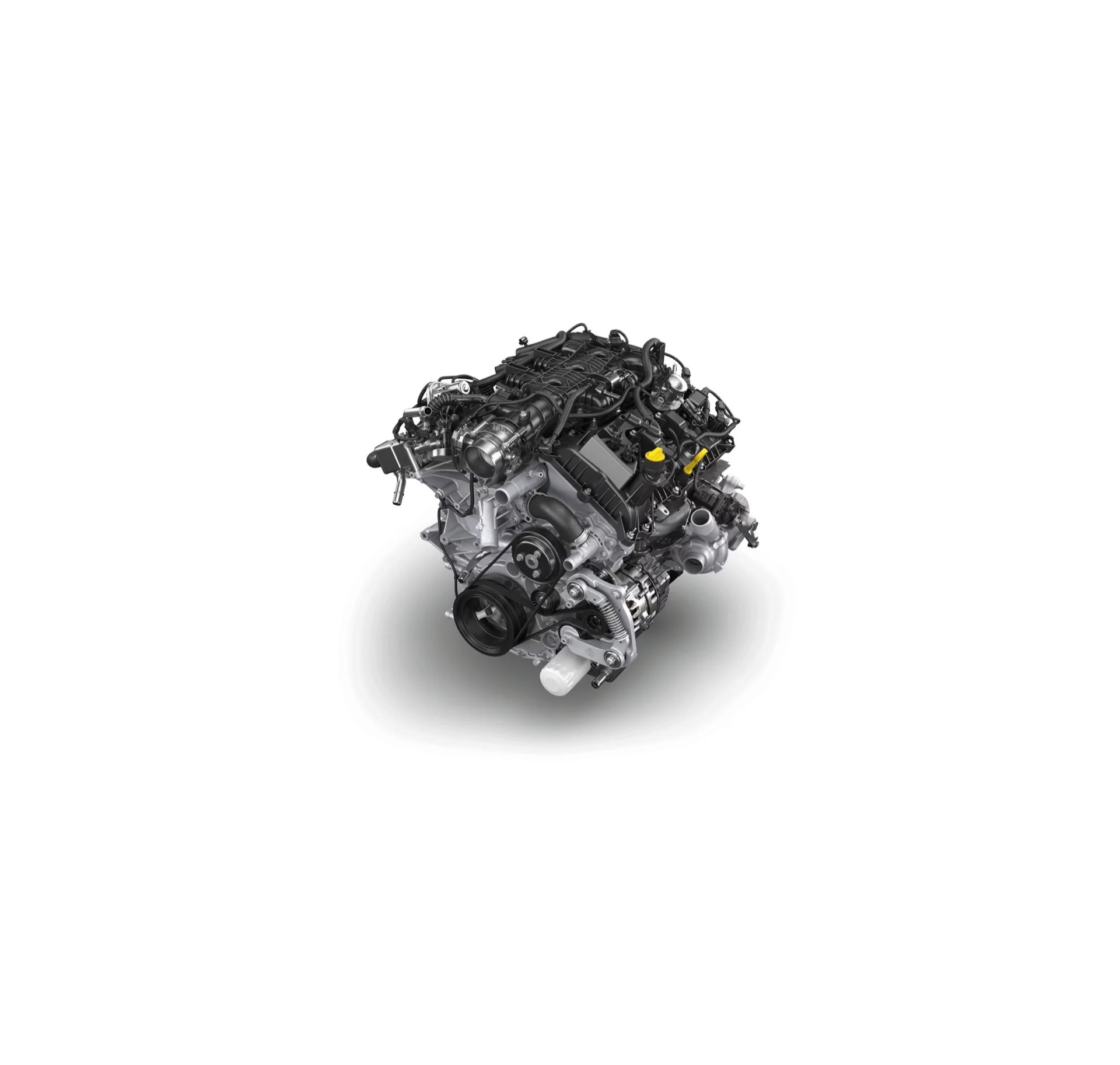
3.5L EcoBoost V6
The heavy-tow choice, and the engine behind the F-150's biggest published tow ratings. It is also the most involved to maintain long term thanks to twin-turbo plumbing and a timing chain that wants attention at higher mileage. Buy one with records, not without.
 2021 and newer
3.5L PowerBoost Hybrid
The full hybrid, and the only F-150 engine that comes with a 7.2 kW generator built into the bed. It uses the least fuel of any F-150 and it is the most useful one on a job site or during an ice storm. It only exists on fourteenth-generation trucks.
Ratings move by year, cab, bed and axle ratio, so do not take a tow number off a web page. Read the door jamb sticker and the build sheet for the specific truck in front of you, and compare EPA figures for that exact configuration at fueleconomy.gov. If you want the current-generation figures for reference, our F-150 horsepower page and 2024 engine options page cover them.
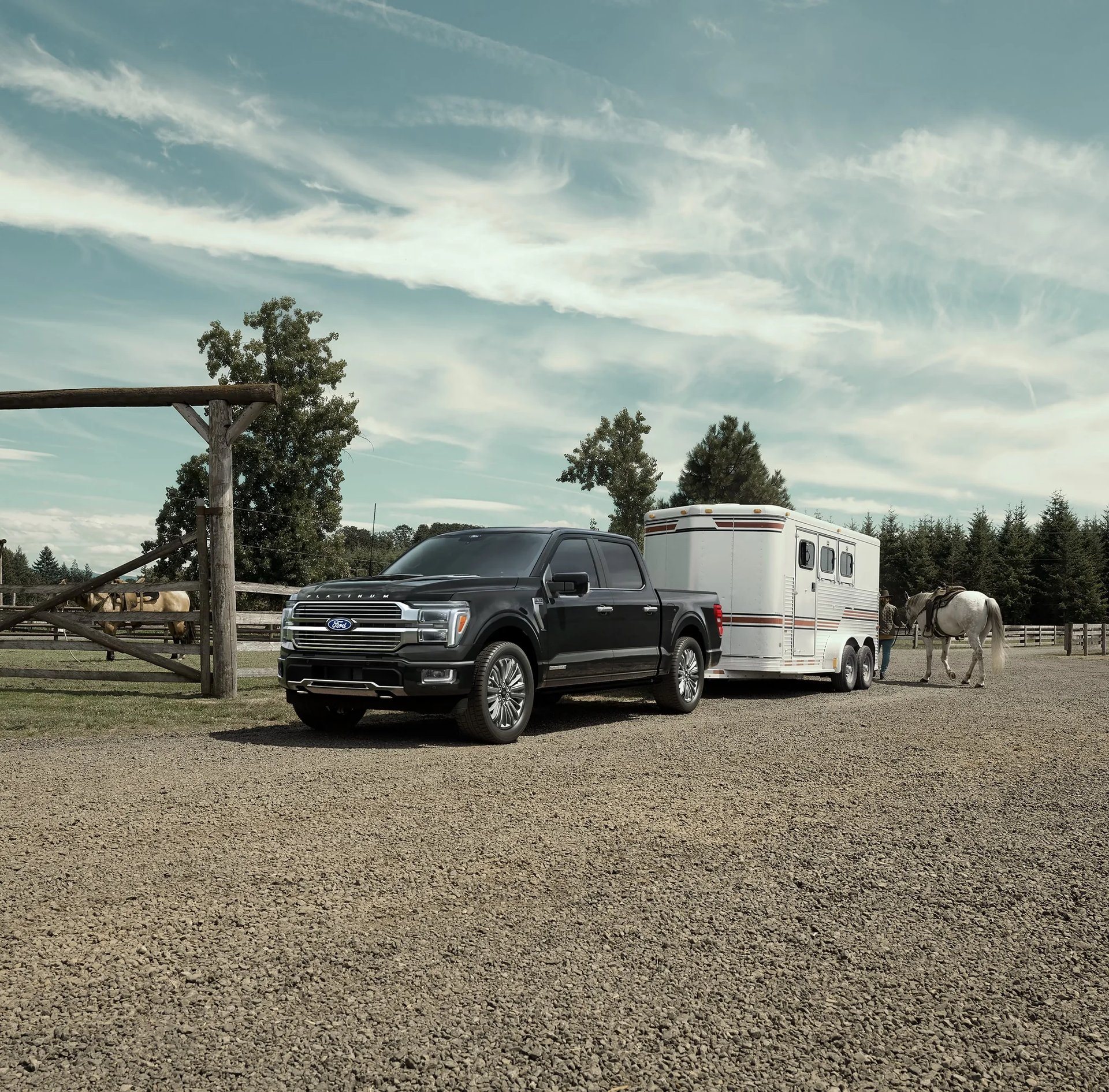
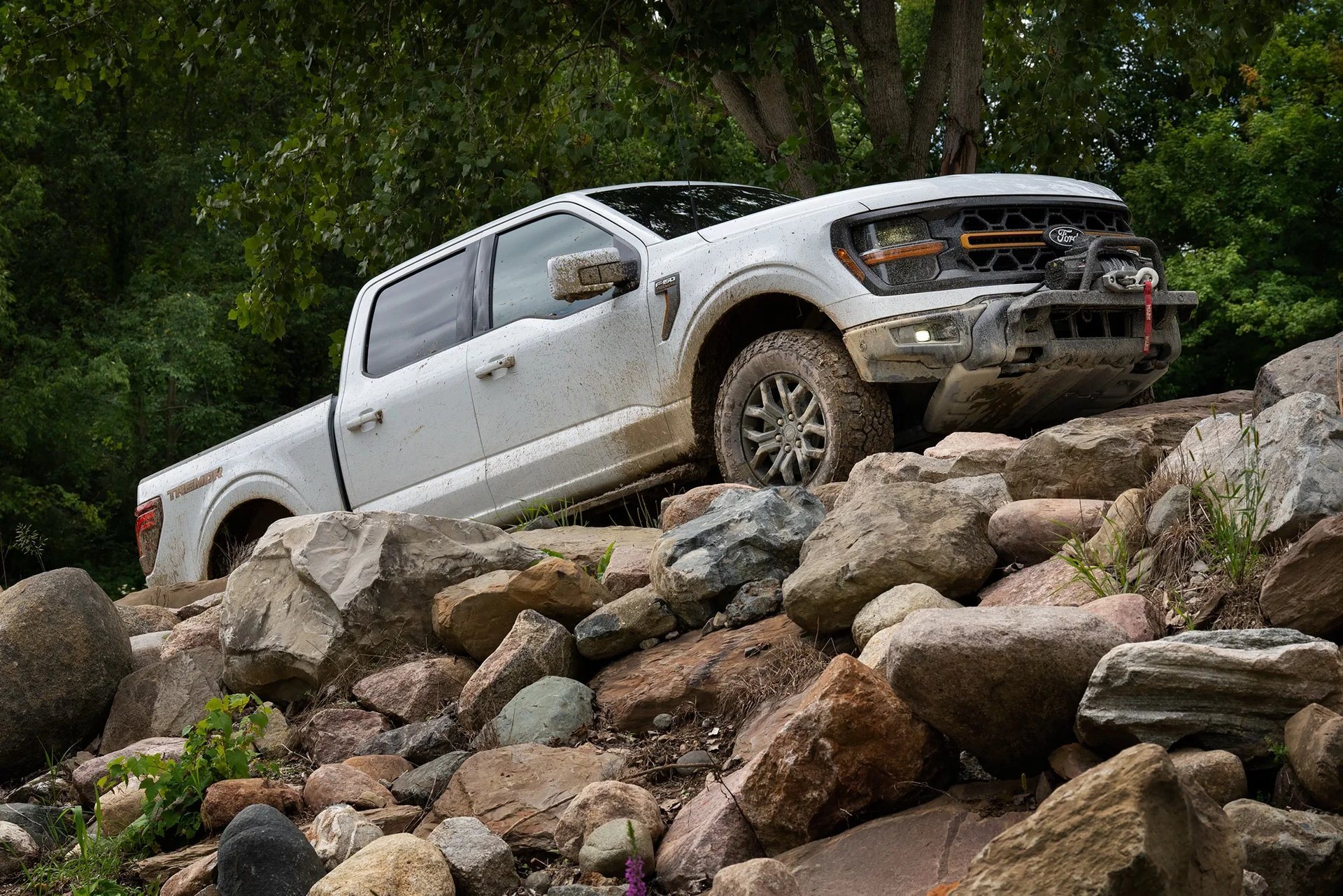
Pictured is a current-model-year F-150 for illustration. How a used truck earned its miles matters more than the odometer reading.
Before You Buy
What to check on any used F-150
The F-150 is built to work hard and plenty of them have. These five checks separate a truck that was used from one that was used up, and they apply to every model year on this page.
- The hitch and the trailer wiring. A bent receiver, corroded wiring or a cracked brake-controller bracket tells you it towed heavily. That is not a deal-breaker, but it should change the price and it should make you look harder at everything else.
- The bed floor, under the liner. Lift a corner. Bare metal with no liner fitted means rust may already have started, and the corners go before the middle does.
- Transmission fluid and its records. Burnt-smelling fluid on a truck with tow history is the clearest warning sign on this list. Ask for the service record rather than taking a dipstick reading on faith.
- EcoBoost intake and intercooler plumbing. Look for cracked hoses or mismatched clamps that suggest a past repair. A boost leak shows up as a rough idle and lost power.
- Rockers, frame and running boards. The aluminum body resists rust well. The steel frame and the rocker area do not, and Tennessee humidity is unforgiving. Get underneath it or have someone who will.
Buying from a franchise store gets most of this done before you arrive. Anything that comes through our used department is inspected, and a CARFAX history report comes with it.
Where to Buy
Buying a used F-150 in Clarksville
Jenkins & Wynne Ford has been on Trenton Rd since 1946, which makes us the oldest dealership in Clarksville. Over eighty years of that has been selling and servicing F-Series trucks, which is the practical reason to buy a used one from a Ford store rather than a lot that sees one occasionally.
Our service department has the Ford diagnostic equipment, the technicians who trained on these trucks, and the history on a lot of the trade-ins we take. That is worth something on a used purchase, and it is worth more over the years after it.
Ready to look? Start with the used F-150 listings, widen out to all used inventory, or read up on Ford Blue Advantage certified pre-owned if a manufacturer-backed warranty matters to you. When you have found one, start a credit application or get a number on your trade.
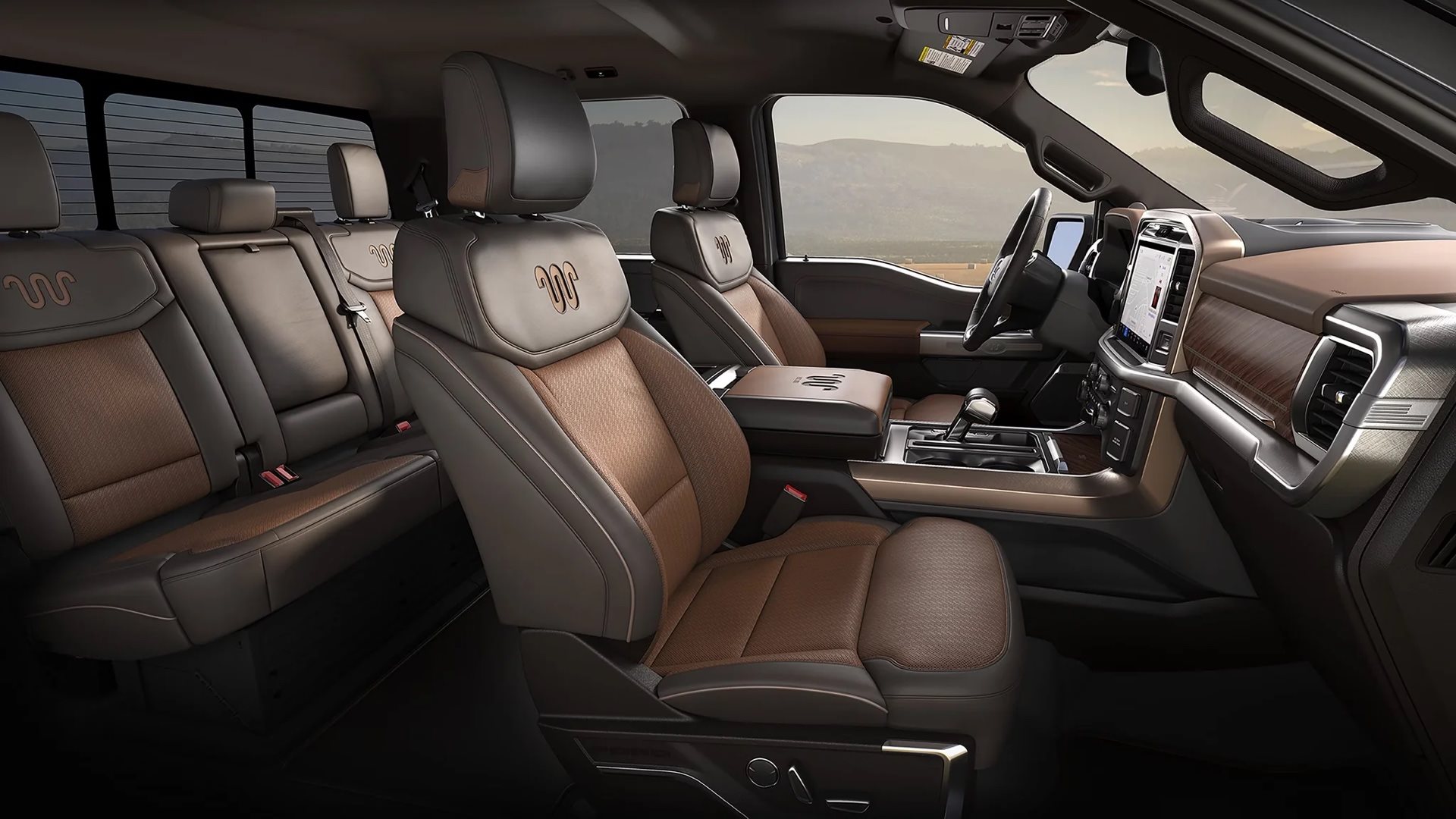
Pictured is a current-model-year F-150 interior for illustration. On a used truck, check that cabin wear matches the odometer reading. It is the fastest tell on a work truck.
Bring the trade and the questions
Tell us the year range, the cab, the bed length and the engine you want. Inventory turns over weekly, so the honest answer is sometimes that the right one is not here yet, and we would rather tell you that than sell you the wrong truck.
If you are coming from Fort Campbell, Hopkinsville or Dickson, call ahead on 931-441-8041 and we will have what matches your list pulled up and ready when you arrive. We are about five minutes off Exit 4 on I-24.
Generation and refresh details reflect Ford's published model-year changes. Verify equipment, capacity ratings and recall status against the VIN of any specific vehicle before you buy.
Back to topUsed F-150 Buyer FAQ
Questions Clarksville truck buyers ask us
What is the best year for a used Ford F-150?
The 2018 to 2020 model years. Those trucks sit at the end of the thirteenth generation, so the aluminum body has a full decade of road record behind it, the 10-speed automatic is standard across the range, and prices sit well under the 2021 redesign. There are more of them on the used market than anything else, which keeps both pricing and parts sensible.
Is the aluminum body F-150 reliable?
The record says yes. Ford moved the F-150 to an aluminum-alloy body in 2015 and it has been the best-selling vehicle in the country in every year since. Shedding roughly 700 pounds let Ford raise payload and tow ratings and improve fuel economy. The one practical difference for an owner is that body repair belongs at an aluminum-certified shop.
Which used F-150 engine should I look for?
The 5.0L V8 if you want the simplest ownership, because there are no turbochargers or intercoolers in the way and every shop in Montgomery County knows it. The 2.7L EcoBoost if your week is mostly commuting, because it uses noticeably less fuel around town. The 3.5L EcoBoost if you tow seriously, with service records to match.
Should I buy the newest F-150 I can afford instead?
Not automatically. A fourteenth-generation truck from 2021 or later is a nicer place to sit and adds the PowerBoost hybrid with its onboard generator. You pay a real premium for that. If your money is going into a truck you intend to keep, the depreciation curve on a 2018 to 2020 does more for you than a bigger screen will.
How many miles is too many on a used F-150?
Mileage matters less than history on this truck. A 120,000-mile F-150 with a folder of service records is usually the better buy than an 80,000-mile one with none. What you are really reading is how it earned those miles: highway miles on I-24 are cheap, and towing miles are expensive.
What should I check before buying a used F-150?
Five things, in order. The hitch and trailer wiring for signs of heavy towing. The bed floor under the liner for rust starting in the corners. The transmission fluid condition and its service record. The turbo plumbing on an EcoBoost for cracked hoses or mismatched clamps. The rockers and frame underneath, because Tennessee humidity is harder on steel than the aluminum body.
Does Jenkins and Wynne Ford stock used F-150s in Clarksville?
Regularly, in a mix of model years, and inventory turns over weekly. Check the current used F-150 listings on our site, or call 931-441-8041 and tell us the year range, cab and engine you are after and we will tell you what is on the ground and what is coming.
Tell us the year, the cab and the engine
Used F-150 inventory moves weekly. Give us your list and we will tell you what is on the ground at 2655 Trenton Rd and what is arriving.
Jenkins & Wynne Ford | 2655 Trenton Rd, Clarksville, TN 37040 | Serving Clarksville, Fort Campbell, Hopkinsville and Dickson since 1946